
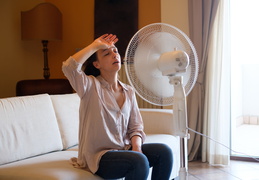
There’s nothing more frustrating than switching on your air conditioner only to realize it’s blowing warm air—or worse, nothing at all. When your home is heating up and the AC isn’t keeping up, it’s time to act fast. If you’re looking for professional AC repair in Black Forest, our team is here to help. But first, let’s take a look at what might be going on.
Why Does an AC Stop Cooling and How Can Maintenance Prevent It?
- Dirty air filters: Restricted airflow reduces cooling performance and strains the system.
- Low refrigerant levels: Insufficient refrigerant prevents proper heat transfer.
- Frozen evaporator coils: Ice buildup blocks airflow and stops effective cooling.
- Thermostat malfunctions: Incorrect settings or faulty sensors disrupt operation.
- Electrical or compressor issues: Damaged components can prevent the system from running properly.
Routine AC maintenance: Regular inspections, cleanings, and system checks help prevent these problems and keep your air conditioner running efficiently.
1. Dirty Air Filters
This is one of the most common and most preventable issues. When your air filter gets clogged with dust and debris, it restricts airflow. That means your system can’t circulate air effectively, and as a result, it may not cool your home properly. If it’s been a while since you changed the filter, start there. A fresh filter can make a big difference in how well your system cools and can even help prevent issues like ac starting and stopping issues.
2. Low Refrigerant Levels
Your AC relies on refrigerant to absorb heat from inside your home and transfer it outdoors. If your system is low on refrigerant due to a leak or improper installation, your AC can’t cool effectively. To better understand the process, it helps to know how an ac cools your home. Signs of a refrigerant issue include warm air coming from the vents, ice on the evaporator coils, and hissing sounds near the unit. This is a job for the pros—refrigerant handling requires specialized tools and certification.
3. Faulty Thermostat
It may seem simple, but a malfunctioning thermostat can throw everything off. If your thermostat isn’t accurately reading the room temperature or isn’t communicating properly with your system, it could cause your AC to shut off too soon or not kick in at all. Try replacing the batteries or resetting the device. If that doesn’t work, let us take a look. In some cases, upgrading to a smart thermostat can improve overall comfort and efficiency. It’s a small change that can give you better control over your home’s cooling.
4. Frozen Evaporator Coils
When your AC runs constantly or has poor airflow, the evaporator coils can freeze. This ice build-up prevents the system from absorbing heat, so your home stays warm. You might notice water dripping around the indoor unit or a sudden loss of cooling. Turn the unit off and let it thaw, but make sure to call for service so we can determine what caused the freeze-up in the first place.
5. Electrical or Compressor Issues
Your AC system has several moving parts, and electrical issues—such as tripped breakers, blown fuses, or faulty wiring—can cause your system to shut down or stop cooling. A damaged compressor can also result in a total loss of cooling power. These problems usually require a trained technician to diagnose and repair safely.
Don’t Wait—Call the Pros
If your AC isn’t cooling, you don’t have to sweat it out. Robbins Heating & Air Conditioning has seen it all, and we know how to get your system back in shape. Whether it’s a simple fix or a more complex issue, we’re ready to respond quickly and effectively. If you’re unsure whether a repair will solve the problem or if it’s time for a bigger upgrade, read our guide on ac repair versus replacement options to make an informed decision.
Frequently Asked Questions:
Question: What role do my air ducts play when my AC is not cooling well?
Answer: Even if the AC unit itself is working, leaks, blockages, or poor insulation in the ductwork can let cooled air escape into walls or attics before it reaches rooms. Sealing and insulating ducts can improve cooling performance and reduce energy waste.
Question: Can debris around the outdoor unit affect how my AC cools?
Answer: Yes. Dirt, leaves, grass clippings, and other debris can clog the outdoor condenser coils, reducing heat transfer and limiting cooling efficiency. Keeping the area clear helps your system release heat properly.
Question: How often should I schedule maintenance to prevent cooling problems? Answer: Regular professional maintenance—ideally annually before cooling season—helps catch issues like dirty coils, low refrigerant, or minor mechanical wear before they cause cooling failure. Routine check-ups boost efficiency and prolong system life.
Question: Could thermostat placement or calibration affect cooling?
Answer: Yes. If your thermostat is in direct sunlight, near heat sources, or inaccurately calibrated, it may misread indoor temperature and cause your AC to run inefficiently, leaving rooms warmer than desired. Proper placement and calibration help consistent cooling.
Question: Why does my AC cool unevenly between rooms even when the system runs?
Answer: Uneven cooling can result from blocked vents, poor airflow distribution, or imbalanced ductwork. Ensuring vents are open and air pathways clear can help equalize temperatures throughout your home.
Robbins Heating & Air Conditioning serves Black Forest and the surrounding area. Contact us today!


