
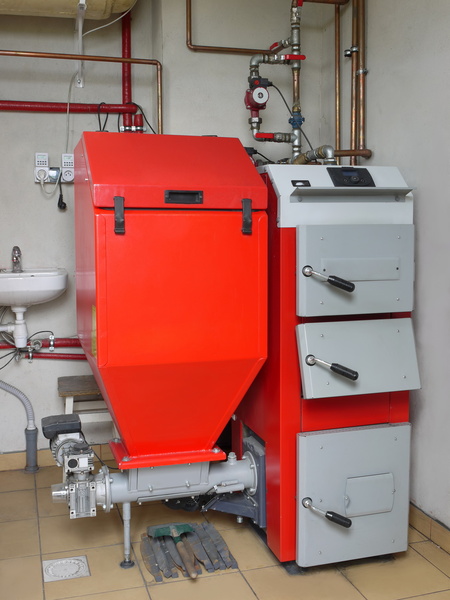
If you have a boiler in your home that’s nearing the end of its lifespan, you’ve got a bit of a dilemma on your hands. As a boiler approaches the end of its operational life, homeowners may need to decide whether to continue repairing the old boiler or start replacing it with a new system. The boiler is a key household appliance, essential for providing reliable heat and hot water, making its performance crucial for comfort and safety. If you’ve been happy with the solid service and reliability your boiler has provided, you may be wondering if you should get a new one when the time comes or opt for a different heating system.
A boiler usually outlasts other types of heating systems such as gas furnaces, electric furnaces, and heat pumps. But a boiler won’t run forever and perhaps you’ve needed boiler repair in Colorado Springs too often for your liking. When a boiler fails, it can leave your home in the cold, especially during the winter months. Once you’ve had 15-20 years of solid service from your home’s boiler, perhaps it’s time to consider having it replaced. Boilers made of cast iron can last 20 to 30 years or more with proper maintenance. Let’s go over the signs that you have a boiler that’s ready for retirement.
It’s important to schedule a professional inspection to evaluate the condition of your boiler, especially if you notice issues like no heat or suspect carbon monoxide leaks. A thorough inspection by a qualified technician ensures your system is safe and functioning properly.
How do you know when it’s time for a boiler replacement?
You should consider boiler replacement if your system shows these key signs:
- System age: Boilers typically last 15 to 20 years. Older units are more prone to failure.
- Rust or corrosion: Visible damage indicates internal wear and risk of breakdown.
- Leaks around the boiler: Frequent or active leaking often signals serious internal issues.
- Rising energy bills: A drop in efficiency leads to higher heating costs.
- Uneven heating: If rooms heat inconsistently, the boiler may no longer distribute heat properly.
Boiler Age: When Is It Time to Replace?
How old is your boiler? A boiler’s age is one of the biggest factors determining how much longer it’ll last. The average lifespan of a gas boiler is 15-20 years. Electric boilers may last a bit longer. If your boiler is at the 20-year mark or if it’s older than that, we recommend that you start thinking about replacement. Boilers that are older than 20 years have a higher risk of failure. The boiler may seem like it’s working okay, but it can deteriorate quickly. Know when to replace your boiler to avoid unexpected breakdowns. You don’t want your system failing on the coldest day of the year!
Dealing with Rust or Corrosion on Your Boiler
One of the biggest warning signs of a boiler that needs to be replaced is rust and corrosion. Manufacturers have designed modern boilers to resist corrosion and when they receive routine maintenance, corrosion is less of an issue. Older boilers are still subject to rust and corrosion.
Although external rust on your boiler is a sure sign of corrosion, you’ll also want to look for any cracks or small cuts that could allow oxygen to make its way into the boiler. Leaks and broken valves can also allow in air and all these result in corrosion. Boiler corrosion can trigger overheating problems, so it’s important to act quickly. Whether the rust is visible or not, if you notice it around your boiler heater, you should call in a professional technician to take a look at it.
What to Do If Your Boiler Leaks
Leaks are another serious symptom for boilers. An older boiler that has worn down over time is prone to developing leaks in its valves and connection points. If you ever detect water pooling around the boiler, you should call for immediate repairs so we can determine what’s causing it. Our technicians will give you an honest, informed opinion on whether you need a replacement or if the boiler can be repaired.
Is Your Boiler Driving Up Energy Costs
A boiler that’s becoming more and more costly to run isn’t one that you want to keep around. Small increases in your bills might mean that a repair will be enough to increase the efficiency of a younger system. If your boiler is 15 years of age or older, escalating energy bills mean the system has quickly deteriorated. You might be better off getting a new, high-efficiency boiler that’ll help you start saving money on energy costs.
Energy Efficiency Considerations
When it comes to replacing your old boiler or installing a new system, energy efficiency should be at the top of your priority list. Choosing a high efficiency boiler isn’t just about saving money on your energy bills—it’s also about ensuring your home stays reliably warm, your domestic hot water is always available, and your heating system operates safely and efficiently for years to come.
One of the first things to look for is the AFUE (Annual Fuel Utilization Efficiency) rating. This number tells you how efficiently your boiler converts fuel—like natural gas—into usable heat. The higher the AFUE, the more efficient the boiler. Modern high efficiency boilers, including condensing boilers and combi boilers, often achieve AFUE ratings of 90% or higher, meaning less energy is wasted and more heat goes directly into your home.
It’s also important to consider the size and type of boiler that best fits your existing system and plumbing. An oversized or undersized boiler can lead to higher maintenance costs, inefficient operation, and uneven heating. A professional contractor can help you determine the right boiler size for your space heating and hot water needs, ensuring the new boiler is installed correctly for optimal performance.
Proper maintenance is key to keeping your high efficiency boiler running smoothly. Regular inspections help catch issues like sludge buildup in the heat exchanger, which can reduce efficiency and even lead to dangerous carbon monoxide leaks. Scheduling annual maintenance and keeping up with recommended service can extend the life of your equipment, lower your energy bills, and keep your system safe.
Don’t overlook the benefits of integrating other energy-efficient technologies, such as a heat pump, to supplement your boiler. In some homes, a heat pump can provide additional heating or cooling, further reducing your reliance on fuel and improving overall energy efficiency.
Finally, make sure your home is properly insulated and ventilated. Good insulation helps retain the heat your boiler produces, while proper ventilation ensures safe operation and prevents issues like moisture buildup or carbon monoxide exposure.
By focusing on energy efficiency when replacing your boiler, you’ll enjoy a warm, comfortable home, lower energy bills, and peace of mind knowing your heating system is both reliable and safe. Work with a qualified contractor to select the right high efficiency boiler, ensure it’s installed correctly, and keep up with regular maintenance for the best results.
Benefits of Replacement
Upgrading from an old boiler to a new, high efficiency boiler brings a host of benefits that go far beyond just keeping your home warm. One of the most immediate advantages is the reduction in energy bills. Modern condensing boilers are designed to extract more heat from the same amount of natural gas or fuel, achieving energy efficiency ratings of 90% or higher. This means you’ll spend less money on heating your home, especially during the coldest months, while still enjoying reliable and consistent heat.
A new boiler also offers greater reliability and comfort. With advanced technology and improved components, today’s boilers are less likely to break down or require frequent repairs. If you choose a combi boiler, you’ll benefit from both space heating and domestic hot water in one compact unit, ensuring you always have hot water on demand for showers, laundry, and more. This can be a game-changer for busy households that need both efficiency and convenience.
Safety is another key benefit of replacing an old boiler. Modern boilers are equipped with features like automatic shut-off and pressure relief valves, which help prevent dangerous situations such as carbon monoxide leaks. By upgrading your system, you’re not only improving your home’s comfort but also protecting your family’s health and safety.
Investing in a new boiler can also increase your home’s value. Energy efficiency is a top priority for many buyers, and a high efficiency boiler is a strong selling point. Plus, a new system can make your living space warmer and more comfortable, which is especially important for families with young children or elderly members.
When it comes to maintenance costs, a new boiler is often more cost-effective in the long run. While the upfront cost of installation may be higher, modern boilers require less frequent maintenance and repairs, saving you money over time. Of course, proper maintenance is still essential to keep your new boiler running at peak efficiency and to extend its lifespan.
Choosing the right boiler for your home means considering factors like boiler size, type, and compatibility with your existing system. For example, a cast iron boiler might be ideal for larger homes with multiple heating zones, while a combi boiler could be perfect for smaller spaces that need both heat and hot water from a single unit.
Ultimately, replacing your old boiler with a new, high efficiency model is a smart investment. You’ll enjoy lower energy bills, improved safety, greater comfort, and the peace of mind that comes with a reliable heating system. By working with a qualified contractor to select and install the right boiler, you can ensure your home stays warm and efficient for years to come.
Boiler Type Options
When it’s time to replace your existing boiler appliance, you’ll find there are more choices than ever to keep your home warm and your hot water flowing. The right boiler type can make a big difference in your heating system’s performance, energy efficiency, and overall cost of operation. Before replacing your boiler, it’s important to check if issues like no heat are due to a malfunctioning thermostat—troubleshoot or have a technician inspect the thermostat to rule out simple fixes. It’s also crucial to consider venting requirements—different types of boilers require specific vent, chimney, or roof access, and some systems need power-venting. High-efficiency units often require new PVC venting through a side wall instead of using a traditional chimney. Proper vent placement and compatibility with your home’s existing infrastructure are essential for safe and efficient operation, so these venting requirements must be considered during replacement.
One of the most popular options for homeowners is the natural gas boiler. Natural gas is the most common and cost-effective fuel source for boilers. Gas boilers typically have an AFUE rating between 89 and 98 percent. These systems are known for their reliability and ability to deliver consistent heat throughout your house, including homes with baseboard heating. If you’re looking to upgrade to a new boiler, a high efficiency boiler—especially a condensing boiler—can help you save on energy bills by capturing more heat from the fuel it uses. Modern high-efficiency condensing boilers can reach AFUE ratings of 90% or higher by capturing extra heat from exhaust, and condensing boilers can achieve AFUE ratings above 95 percent when properly configured. The best boilers are high-efficiency Condensing Gas Boilers, often with AFUE ratings of 90% or higher. Viessmann is known for premium engineering and efficiency, achieving up to 98% AFUE. High-efficiency boilers typically have an AFUE rating of 85 percent or higher. Aim for at least 90% AFUE for significant savings on energy costs and consider ENERGY STAR certified models for potential rebates.
Another option to consider is a combi boiler, which combines space heating and domestic hot water production in a single, compact unit. This can be a great solution if you want to streamline your system and free up space, all while enjoying efficient hot water on demand for your shower and other needs. Some systems may include a tank or indirect water heater for additional hot water storage, which is important for larger households.
For those interested in the latest technology, heat pumps are also gaining popularity as an alternative to traditional boilers. While heat pumps can offer excellent energy efficiency, especially in milder climates, many homeowners still prefer the comfort and reliability of a high efficiency gas boiler for colder regions. Electric boilers are nearly 100 percent efficient as they produce no waste gas, while oil furnaces generally have an AFUE rating between 80 and 90 percent.
Choosing the right system depends on your home’s size, your hot water needs (including tank compatibility), your existing plumbing, and your budget. System Boilers work with a hot water cylinder and are effective for larger homes with high hot water demand, while Conventional Boilers require significant space and are suitable for larger homes with high hot water requirements. Compatibility with baseboard heating, tank systems, and existing plumbing should be evaluated. A licensed technician should perform a heat loss calculation to determine the appropriate boiler size for your home. A professional contractor can help you determine which type of boiler or heating system will deliver the best combination of efficiency, comfort, and cost savings for your household, including cooling performance as part of your overall HVAC equipment. Upgrading to a new, high efficiency boiler is a smart way to ensure reliable heat and hot water for years to come. If you need personalized guidance, connect with a dealer or technician to discuss your options.
The cost of a new boiler for a 2000 sq ft house typically varies based on the type of boiler, its efficiency rating, brand, and any additional installation complexities.
The boiler replacement process typically begins with a thorough initial consultation and assessment with a technician. During installation, technicians will carefully remove any old equipment and properly position and connect the new boiler. After installation, post-installation support and maintenance are provided, including system walkthroughs and performance checks.
The boiler replacement process usually takes 1 to 3 days, depending on the complexity of the installation and any required system upgrades or additional components. Professional installation can take several hours to a couple of days, depending on the system and any complications.
To schedule your boiler repair service in Colorado Springs and the surrounding area, contact the team at Robbins Heating & Air Conditioning today.


