

The first day of winter is just around the corner. Our brisk and beautiful winter weather is something many Colorado residents look forward to each year. But winters aren’t enjoyable without a dependable furnace to keep your home warm and cozy when the temperature drops below freezing. With several more months left in the heating season, how confident are you in your furnace’s ability to do just that?
We want you to enjoy uninterrupted warmth from your home’s furnace this season. Our technicians are always available for any heating repair in Colorado Springs you may need. However, the ideal situation is to avoid furnace issues in the first place. Here are some tips on how you can avoid heating repairs this winter.


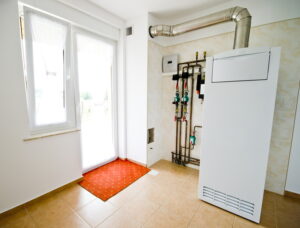 A boiler is an efficient and reliable method of heating a home. But a boiler that’s overheating is a problem that should be checked out immediately when it occurs.
 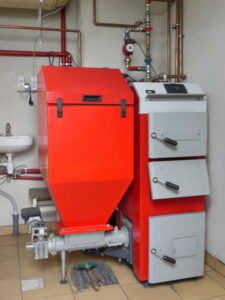 As you start to think about heating your home this coming winter, you’ll want to consider your heating system and the work it may require. If you use a boiler to warm your home, then you won’t have to worry often about scheduling repairs for it: boilers need fewer repairs than systems with more mechanical parts, such as furnaces. As long as you stay current with annual maintenance for your boiler (and right now is a great time to schedule maintenance), you’ll rarely need to call us for
  As we move into the fall, you’ll start to think about heating your home. This may be the year when you replace your current central heating system with a new one. If this is the case, you may be considering a
  If it feels a bit too hot to talk about doing any kind of maintenance for
 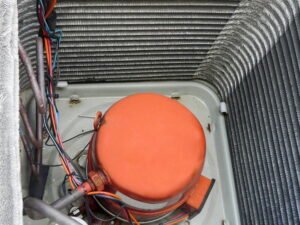 The heat has dropped significantly since the scorcher weather we experienced at the end of July and in early August. This doesn’t mean that your AC is out of this rough patch of keeping your home cooled down, however. Summer isn’t over yet, and we know that intense heat can strike into the fall.
  While many people love the warm weather and appreciate a break from the cold, a true heatwave is always brutal. Sometimes, it gets so hot you can’t even stand being outside for more than a few minutes.
  A central air conditioning system is a significant and important investment in any home. Like other home appliances, you hope you’ll get the most years possible from your air conditioner and not have to worry about replacing it for a long time. Sometimes it’s easy to imagine that the cool air will just keep blowing from the AC whenever you need it.


