
 One of the big concerns we have as a company offering furnace repair in Colorado Springs, CO is ensuring the safety of our customers. The majority of homes in Colorado Springs use gas furnaces to stay warm during the intense, long winters, and a gas furnace that is in poor repair can create carbon monoxide dangers to a household that are potentially lethal. We take this seriously, and since 1970 we’ve helped our customers receive the service that will not only keep the heat on, but will keep health hazards away.
Of course, we can’t come to help you until you call to tell us you have issues with your furnace. We cannot emphasize enough the importance of moving fast to have furnace repairs done when anything isn’t working properly. Even a seemingly small concern with the furnace may become a safety hazard. Below are the ways fast repairs translate to a safer furnace.
 A furnace that isn’t giving you enough warmth for your home is a problem. Sometimes the problem is a simple one you can correct yourself. In other situations, you’ll need professional
 Many people enjoy winter weather, but staying safe through the season still requires having a central heating system in a house. For most families in Colorado Springs, the heater that keeps them warm and safe through the winter is a gas furnace.
 Happy Month of October to you! Have you scheduled your heating maintenance yet?
 This week is the official start of fall. Temperatures, of course, don’t strictly obey the calendar, and you may still need to rely on running your air conditioner for a few more weeks. But it’s a transition time, and this is an ideal point in the year to stop and consider how well your air conditioner performed over the summer. This can help you make a few important decisions about your HVAC system and home comfort—in particular, answer the big question: “Is my AC good for another year, or should I schedule a replacement?”
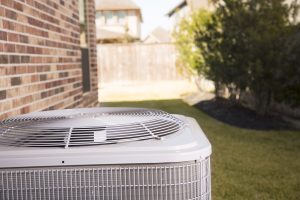 A piece of machinery that’s covered with a layer of grime and dirt won’t run as well as when it’s clean. That’s just a basic fact. When it comes to your air conditioning system, a layer of dirt and grime almost anywhere on it is bad news. For example, dust along the indoor evaporator coils can quickly cause the AC to lose energy efficiency and ice to develop along the coils.
 The indoor fan for your central air conditioning system is not only how the AC sends cooled air around the house. It’s also how the AC moves warm air brought from the living spaces across the evaporator coils to cool it down. Without a working fan, you have no cool air and no way to deliver any air to the rooms.
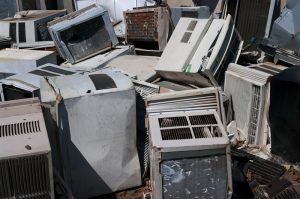 The second half of summer is when you are more likely to encounter a malfunction with your air conditioning system. This makes sense, as the AC has been hard at work for at least a few months, and wear on the system can cause small problems to start to worsen. (Another reminder about why spring air conditioning maintenance is so vital.)
 During stressful times, you don’t want to have yet another major problem dropped into your schedule. A broken air conditioning system counts for most people as a “major problem” during the summer, and if you have an air conditioner that isn’t providing the level of comfort your household requires, you will probably need to call us for
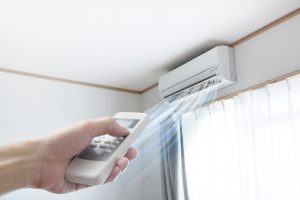 Heat pumps are vigorously created with SEER ratings in a similar fashion to air conditioners. Since they technically qualify as air conditioners as well as heaters, this shouldn’t be a surprise to anyone. The interesting part about this information, and why we decided to devote a whole blog post to it, is that these systems require a bit more efficiency calculating than an air conditioner.


