 When it comes to your heater’s overall performance quality, good enough is just never good enough. You deserve the best heating performance that your home heating system has to offer, and you simply are not getting that level of performance quality if your heater is constantly cycling off and on. Remember, the fact that your heater is up and running does not guarantee that your heater is up and running properly. Nor does it mean that the problem is “minor” enough to ignore!
No, short cycling may not lead to your heater breaking down entirely right away. However, it is going to cause a number of problems as soon as the issue begins. As is the case with most heating problems, there are a few different reasons why your heater may short cycle. The good news is that, in at least one case, you can resolve the issue on your own. The bad news? There are other cases where serious damage may result. Play it safe, and schedule prompt heating repair in Falcon, CO when necessary.
 Heat pump technology has really caught on in the residential sector relatively recently. Too many homeowners still overlook the many benefits that heat pumps have to offer, though. Today, we want to walk you through a few of them. Most notably, how the heat pump is able to offer both effective cooling and dependable, highly efficient heating, too! Sound too good to be true? Well, it’s not—and the concept behind this ability is actually fairly simple once it is broken down.
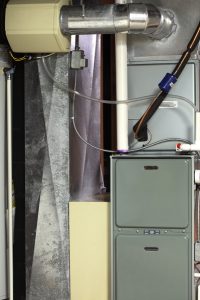 Choosing a new heater for your home is one of the biggest decisions that you’ll have to make as a homeowner. It doesn’t matter if you are investing in a new heater for a new home for the very first time, or if you are replacing an old heater that has served you well for many years. You need to know for certain that you are making the right choices about your new heater every step of the way.
 Nothing would make us happier than to tell you that we can install a furnace and, with our careful care and maintenance offerings, keep it from ever running into operational problems. This is just not the reality of the situation, though. The fact is that you will need
  If you’ve visited this blog before, then you probably already know that we are huge proponents of routine heating maintenance around here. There is just nothing better that you can do for your heating system than to schedule heating tune-ups on an annual basis. It keeps your system effective and efficient, and really cuts down on the need for
 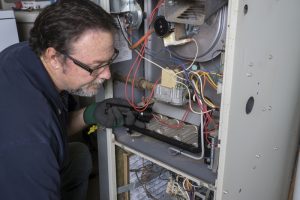 It is time to talk about heating. Yes, really. No, it cannot be put off any longer. We know that we are barely out of summer’s torch-like clutch, but the fact of the matter is that we are going to be back into the heating season before you know it. And you know what that means? You’ll be needing a reliable and effective performance from your heater for the foreseeable future. Unfortunately, no heater is immune to the occasional operational problem.
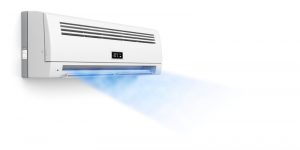 The short answer: no.
 As you have recently seen, hailstorms can be as big as softballs here in Colorado Springs. You will no doubt be concerned about your car, your roof, and even your own noggin when you head outside and the hail starts to fall. Here’s a question for you, though—what about your air conditioner?
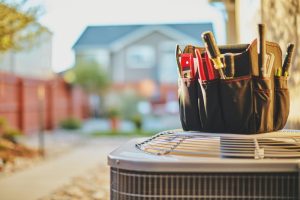 Look, we don’t expect every homeowner to understand precisely how it is that their air conditioning systems work. The reason for this is quite simple—we’d have to find another industry in which to make our living, and you can’t teach some old dogs new tricks! All joking aside, though, we do believe that it is in the best interest of homeowners everywhere to have a basic understanding of the way in which their air conditioning systems work.